Reviewing Christmas Clipart PNGs for Embroidery
As a designer who has spent countless hours digitizing and stitching out holiday motifs, I approach any new asset with a mix of curiosity and skepticism. We are constantly bombarded with digital files, but not all of them translate well from screen to thread. Recently, I evaluated a collection titled Christmas Clipart High-quality Png Files. While these are technically Illustrations meant for digital use, my goal was to determine their viability as reference material for creating custom machine embroidery design projects. If you are an Etsy seller, a boutique owner, or a hobbyist looking to elevate your holiday embroidery, understanding how high-resolution raster images behave in a stitched context is crucial.
First Impressions: Visual Personality and Mood
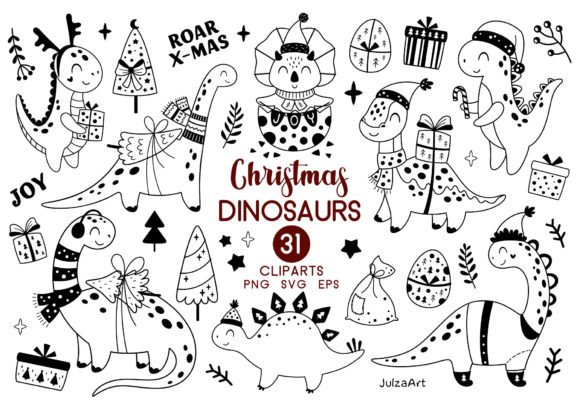
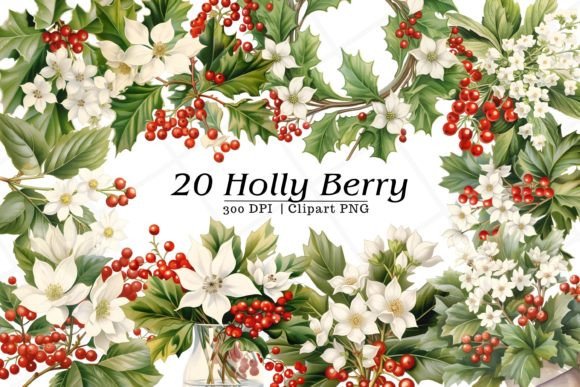
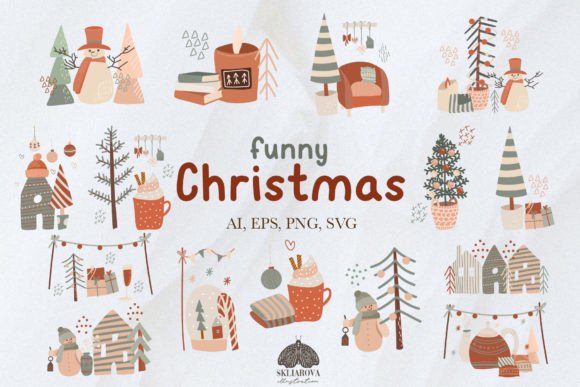
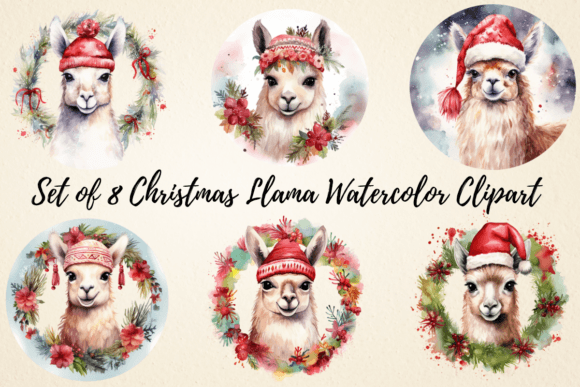
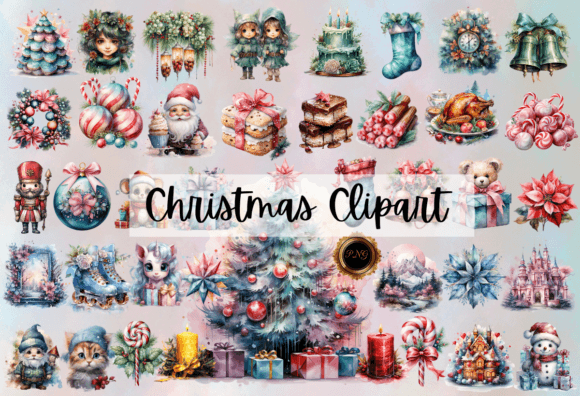
The immediate appeal of the Christmas Clipart High-quality Png Files lies in their clarity. In the world of design assets, resolution is king. When I zoomed in on the files, the edges remained crisp, which is a promising sign for digitizers. The mood created by these illustrations is warm and nostalgic, leaning into traditional holiday aesthetics without feeling cluttered. For an embroidery project, this visual personality is vital. A design that is too busy often results in a muddy finished product where individual stitches lose their definition. These cliparts offer a balanced layout, with distinct shapes that suggest they would translate beautifully into satin stitch borders and clean fill stitch areas.
However, it is important to remember that a PNG is not an embroidery file. It is a visual reference. The value here is in the source material’s quality. Using a low-resolution image as a base for digitizing leads to guesswork, whereas these high-quality files provide a clear roadmap for thread placement. The theme is versatile, fitting seamlessly into both modern minimalist decor and traditional cozy styles.
Real-World Application: From Screen to Sweatshirt
To test the practical utility of these images, I simulated a real-life scenario: creating a custom sweatshirt embroidery piece for a client’s holiday collection. The goal was to produce a handmade product that felt premium and durable. I selected one of the central motifs from the Christmas Clipart High-quality Png Files to serve as the basis for a left-chest logo.
The process began by importing the PNG into my digitizing software. Because the lines were sharp, tracing the contours for a running stitch underlay was straightforward. This step is critical for ensuring the design stays stable on stretchy fabrics like cotton fleece. The resulting custom apparel prototype had a professional finish. The design did not look like a generic stamp; instead, the clarity of the original illustration allowed me to adjust the stitch density precisely, avoiding the bulk that often plagues holiday designs on thick fabrics.
Beyond apparel, I considered how these images would perform on a tote bag design. Canvas requires a different approach, often benefiting from bolder lines and higher density to prevent the fabric weave from showing through. The strong silhouettes in these cliparts make them excellent candidates for applique design work, where fabric pieces are cut and stitched down, reducing the overall stitch count while maintaining visual impact. This is a key consideration for any craft business aiming to keep production time efficient without sacrificing quality.
Navigating Technical Challenges and Fabric Constraints
While the visuals are strong, using raster images like Christmas Clipart High-quality Png Files for embroidery requires careful technical navigation. One must be cautious when applying these designs to small hoop sizes. Intricate details that look stunning on a 4K monitor can become lost when shrunk down to a 4x4 inch hoop. If you are planning a baby embroidery project, such as a onesie or a burp cloth, you must simplify the design. Tiny lettering or fine corners in the original PNG may need to be thickened or removed entirely to ensure stitching clarity.
Fabric texture also plays a massive role. On textured fabrics like terry cloth towels or fluffy blankets, fine details disappear. In these cases, I recommend using the clipart as a guide for a simplified version of the design, focusing on bold shapes rather than intricate shading. Similarly, when working on dark fabric, contrast is your best friend. I always test the design in black and white mockups first. If the PNG relies on subtle color gradients to define its shape, it may fail in thread form. You may need to adjust your thread colors to ensure the design pops against the background.
Curved surfaces, such as caps or hats, present another challenge. The Christmas Clipart High-quality Png Files should be distorted or adjusted in the digitizing phase to account for the curvature of the cap. Ignoring this can lead to puckering or misalignment. Always use the proper stabilizer—cut-away for stretchy knits and tear-away for stable wovens—to support the stitch structure.
Enhancing Brand Value and Customer Trust
For small shop product creators, the quality of your design directly influences perceived value. A crisp, well-stitched motif signals professionalism. When customers see a personalized gift with clean edges and no loose threads, their trust in your brand increases. Using high-quality references like these cliparts helps maintain brand consistency across your commercial embroidery offerings. Whether you are selling embroidered patch items or custom pillow covers, the underlying design quality matters.
Moreover, these files are excellent for creating printable mockup previews for your online store. Before you even stitch a single thread, you can overlay the PNG onto product photos to show customers what the final item could look like. This enhances buyer engagement and helps manage expectations. However, always be transparent. Ensure your customers know that the listing image is a digital representation and that the actual stitched product may have slight variations due to fabric tension and thread sheen.
Practical Notes for the Embroidery Designer
Before you commit to using Christmas Clipart High-quality Png Files in your next embroidery project, here are my essential recommendations:
- Test on Scrap Fabric: Never stitch directly on your final garment. Run a test on the same fabric type to check for puckering or registration issues.
- Check Licensing: Verify the license terms of the clipart. Some digital assets allow personal use only, while others permit commercial use for physical products but not for reselling the digital file itself.
- Inspect Small Details: Zoom in to 100% or more. If a line is only one pixel wide, it will likely break or vanish when stitched. Simplify these areas in your digitizing software.
- Contrast is Key: Ensure your chosen thread colors have enough contrast against the fabric. A dark green design on a navy shirt will be invisible.
- Hoop Size Confirmation: Make sure the design fits comfortably within your hoop, leaving at least an inch of margin from the edge to avoid hoop burns.
In conclusion, while Christmas Clipart High-quality Png Files are not ready-to-stitch digital embroidery file formats, they serve as an exceptional foundation for high-end digitizing. For the serious creative entrepreneur, they offer the visual fidelity needed to create standout finished product items. By respecting the technical limitations of embroidery and leveraging the clarity of these illustrations, you can produce holiday goods that are not only festive but also professionally executed.