Reviewing Watercolor Christmas Animals Ornaments for Stitchers
As a designer who spends half my life digitizing and the other half stitching, I approach every new machine embroidery design with a mix of excitement and skepticism. We have all been there: you download a beautiful preview, load it onto your machine, and watch in horror as the thread nests or the fabric puckers. That is why I took a close, practical look at Watercolor Christmas Animals Ornaments. This isn’t just about whether it looks cute on a screen; it is about how it performs when the needle hits the fabric.
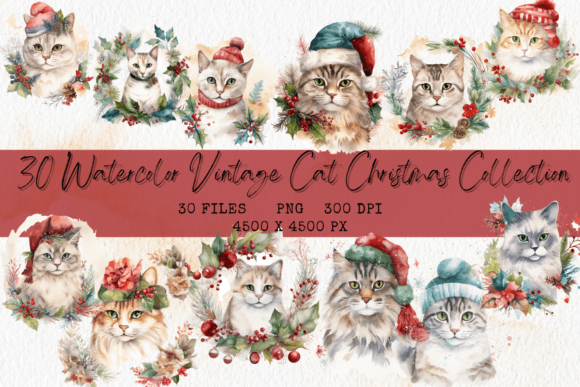
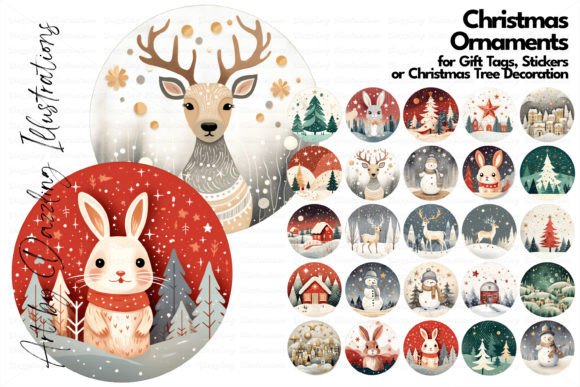
The first impression of this collection is undeniably charming. The aesthetic leans heavily into soft, blended hues that mimic traditional watercolor painting. For those of us working in Illustrations and digital art, translating that fluid, borderless look into thread is a challenge. However, these designs manage to capture that whimsical, holiday spirit without feeling overly rigid. The animals—likely featuring festive favorites like reindeer, foxes, or bears—are rendered with a gentle hand. They do not scream for attention; instead, they invite a closer look. This subtlety is crucial for modern handmade product lines, where customers often prefer understated elegance over loud, cartoonish graphics.
Real-World Application: The Holiday Tote Test
To truly evaluate Watercolor Christmas Animals Ornaments, I imagined a specific real-life scenario. Picture a small shop owner preparing for the December rush. They want to create a limited run of canvas tote bag design options for local farmers' market shoppers. The goal is a gift-ready item that feels personal but professional. I visualized placing one of these animal ornaments on a natural, unbleached cotton tote.
In this context, the design shines. The organic shapes of the watercolor style complement the texture of the canvas. Unlike sharp, geometric vector art which can sometimes look sterile on natural fibers, these softer edges blend beautifully with the weave of the fabric. If I were stitching this for a client, I would see immediate value in its versatility. It works equally well as a central motif on a sweatshirt embroidery project or as a delicate accent on a linen napkin. The mood it creates is cozy and nostalgic, perfectly aligning with what buyers seek during the holiday season.
Stitching Performance and Technical Considerations
When we move from concept to execution, the technical details matter. Watercolor effects in embroidery are typically achieved through careful manipulation of fill stitch directions and varying thread colors to create gradients. In reviewing this type of design, I look for smooth transitions. If the digitizer has done their job well, the color changes should be gradual, avoiding harsh lines that break the illusion of paint.
However, there are areas where caution is needed. Because watercolor styles often rely on subtle shading, stitch density becomes a critical factor. If the density is too low, the fabric background might show through too much, ruining the vibrancy. If it is too high, you risk creating a stiff, cardboard-like patch that ruins the drape of a garment. For a custom apparel piece like a baby onesie, this is vital. You want the baby embroidery to feel soft against sensitive skin, not like a heavy plastic sticker.
I also considered how these designs handle different fabrics. On a textured towel or a waffle-knit blanket, the finer details of the animal’s face might get lost. In such cases, using a cut-away stabilizer is non-negotiable to prevent distortion. For stretchy fabrics like jersey tees, the design needs to be stabilized properly to ensure the running stitch outlines do not pucker the material after washing. Always test on scrap fabric first. What looks perfect on a digital printable mockup can behave very differently on actual textile.
Navigating Fabric Choices and Hoop Sizes
One of the most common mistakes makers make is ignoring the relationship between hoop size and design scale. Watercolor Christmas Animals Ornaments likely comes in various sizes, but you must match the hoop to the project. Trying to squeeze a large, detailed ornament into a 4x4 hoop on a curved surface like a cap will lead to registration errors. The needle may hit the hoop, or the design may distort around the curve.
Dark fabrics present another challenge. Watercolor designs often use light, pastel threads to achieve that washed-out look. On black or navy fabric, these colors can appear dull or muddy unless you use an underlay or a white base layer. If you are an Etsy seller planning to offer these on dark hoodies, consider adding a white satin stitch border or a solid backing to make the colors pop. Without this step, the intricate details of the embroidery file may vanish into the darkness of the fabric.
Additionally, be mindful of tiny details. If the design includes small elements like eyes or noses, ensure your machine can handle the precision. A worn needle or poor tension can turn a cute animal face into a tangled mess. For embroidered patch projects, where the design is stitched on stabilizer and then cut out, these watercolor edges need clean finishing. A merrowed edge or a tight satin border can help contain the fill stitches and give the patch a professional, boutique finish.
Commercial Value and Brand Consistency
For creative entrepreneurs, the visual appeal of a design directly impacts perceived value. Watercolor Christmas Animals Ornaments offers a sophisticated look that elevates a simple item into a personalized gift worth paying more for. When customers see high-quality stitching with thoughtful color blending, it builds trust. It signals that the maker cares about quality, not just quantity.
This consistency is key for brand building. If your small shop specializes in rustic, handmade goods, these designs fit seamlessly into your existing catalog. They do not clash with natural materials or earthy tones. Instead, they enhance the narrative of your brand. Whether you are selling holiday embroidery on kitchen towels or creating commercial embroidery runs for corporate gifts, the professionalism of the final product reflects on your business reputation.
Before you list these items for sale, always confirm the licensing terms. Most designers allow commercial use for finished physical products, but restrictions may apply to digital resale. Ensure you are compliant to protect your craft business from legal issues. Also, check if the digital embroidery file formats provided match your machine. Having the right format saves time and prevents conversion errors that can alter stitch paths.
Final Thoughts for the Practical Maker
In conclusion, Watercolor Christmas Animals Ornaments is a strong contender for your holiday lineup. It balances artistic flair with practical applicability. It is not just a pretty picture; it is a functional design asset that, when handled with care, can produce stunning results. Remember to respect the limitations of your equipment and materials. Test your tensions, choose your stabilizers wisely, and let the soft, festive nature of the design guide your fabric choices.
Whether you are stitching a single finished product for a family member or running a batch for your online store, this design offers the warmth and charm that defines the season. Approach it with a designer’s eye and a crafter’s patience, and you will create pieces that customers cherish long after the holidays have passed.